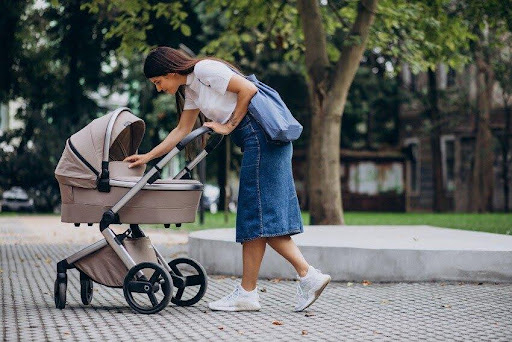
Parents often wonder, how much is a stroller that really fits into their daily routine and family life? The price can vary a lot depending on what you need, starting from as little as fifty dollars for simple options and going all the way up past fifteen hundred for the fanciest stroller with accessories models out there. When you’re choosing one, it’s smart to think about things like your everyday walks around the neighborhood, trips away from home, or even bumpy adventures on rough paths. This guide breaks down the costs, points out the best value picks, and helps you figure out what truly matters so you can make a choice you’ll love for years.
Understanding the Price Range: Factors That Influence Stroller Cost
Stroller prices can shift quite a bit because of some straightforward factors that make a real difference in how they’re built and what they can handle. The materials used play a big part right from the start; for instance, steel frames give you solid strength but they tend to make the stroller heavier and more expensive, whereas aluminum frames keep things lighter while often costing a touch more upfront. The quality of the fabric matters just as much, since options with water-resistant treatments or UV protection last longer through all kinds of weather and end up raising the overall price.
Safety certifications are what really lock in the higher-end prices for many families. Strollers that go through tough crash tests and brake checks earn those premium labels, and parents gladly pay more for the confidence that everything has been rigorously vetted.
- Durability from quality frames lasts for years through daily use.
- Wheel type matches your paths best, whether smooth streets or trails.
- Fold ease suits car trunks or planes without any hassle.
- Weight stays light for busy days on the go.
- Safety seals prove real protection you can trust.
The Economy Tier: Pricing for Basic and Umbrellas Strollers
Economy strollers are a go-to for new parents watching their budget closely, offering just enough to get the job done without any extras you don’t need. Basic models usually fall in the fifty to one hundred dollar range, coming with straightforward frames, a simple canopy for shade, and handy storage pouches that hold the essentials like a few diapers or a bottle. Umbrella-style ones, which fold up slim like a closed umbrella, typically cost between sixty and one twenty dollars, making it easy to picture yourself running to the store for groceries while your baby naps peacefully under the hood.
These choices work perfectly for short outings or times when you don’t need something heavy-duty. The frames rely on steel for reliable strength without piling on too much weight, and the single wheels let you zip along city sidewalks effortlessly. A lot of them come with five-point harnesses to keep your little one secure, and parents appreciate how you can just grab them and head out the door in seconds.
Mid-Range Options: What to Expect from Standard and Travel Systems
Mid-range strollers land comfortably between two hundred and six hundred dollars, striking that perfect balance of comfort, features, and everyday reliability that growing families rely on. Standard single models take you from newborns all the way to preschool age with reversible seats that let baby face you and oversized baskets for all your gear. Travel systems bundle a sturdy frame with a compatible car seat that snaps right in, making it simple to switch from driving to strolling without waking the baby.
Take a well-liked travel system priced at three fifty dollars; it includes the frame, an infant car seat, and the base, with a total weight of twenty-two pounds that folds small enough for most SUVs and even passes airline gate checks. Parents rave about how they can go from car to stroller in mere seconds, skipping the hassle of lifting a sleeping child every time.
The Premium Segment: Pricing for High-End, Double, and All-Terrain Models
Premium strollers kick off at seven hundred dollars and can climb well over fifteen hundred, delivering luxury details and rugged performance for parents who want the absolute best. High-end single models come with touches like leather-wrapped handles, tons of storage space, and even bassinet attachments for those early months. Doubles designed for multiples can hit two thousand dollars, featuring independent reclines so each child gets their own comfort zone. All-terrain powerhouses tackle snow, sand, or hiking trails thanks to air-filled tires and advanced shock absorbers.
Picture a top luxury all-terrain model at twelve hundred dollars; its twenty-eight-pound frame paired with fourteen-inch wheels powers through the roughest spots, while the full recline position lets baby nap like in a bassinet and ventilation keeps them cool on warm days. Custom colors and monogram options add that personal flair parents adore.
Key Features That Drive Up the Price Tag
Some standout features are worth the extra investment because they make pushing smoother, safer, and more enjoyable for both you and your baby. Adaptive suspension soaks up shocks just like a high-end car seat, while large, puncture-proof wheels let you glide over any surface without getting stuck.
Self-folding mechanisms pack up with one hand when you’re juggling bags, and reversible seats give you the choice of baby facing you for those sweet eye-contact moments or turning outward to watch the world go by. Full-flat reclines create a bassinet-like spot for deep sleeps, and magnetic buckles close securely without any frustrating pinches.
Modern tech weaves in too, with Bluetooth speakers for lullabies on the move, apps that track your walking mileage or manage battery life for electric-assist models, and UV 50+ canopies that block harmful rays completely.
Storage baskets that hold up to forty pounds mean no leaving gear behind, extendable hoods cut down on street noise for better naps, and eco-friendly fabrics breathe well while wiping clean in seconds.
- Suspension for smooth rides over every bump.
- Tech for modern ease on busy days.
- Fabrics that endure spills and weather.
- Storage for all your gear without overflow.
Hidden Costs: Factoring in Accessories and Maintenance
Strollers often come with sneaky extras that add to the total beyond the sticker price you see at first glance. Car seat adapters might run about thirty dollars, while rain covers or cozy footmuffs cost around twenty each to keep baby dry or warm. Little add-ons like cup holders or snack trays tack on another fifteen bucks but make outings way more practical.
Over time, maintenance chips away at your budget too; tire patches could be ten dollars a year if you hit rough spots often, and while fabric cleaners or frame wipes are inexpensive, they add up with regular use. Good warranties help avoid bigger repair bills down the line.
If you’re eyeing secondhand deals, always inspect closely because worn-out harnesses or rusty frames can be unsafe no matter the savings, and deep-cleaning old fabrics takes effort and special products. On the bright side, popular models hold their value well for resale, sometimes getting you back half your money after a few years of love.
Finding Value: Tips for Shopping Sales and Used Options
You can score real value by following a few smart shopping strategies that stretch your dollars further without cutting corners. Black Friday events often slash prices by twenty percent or more, outlet websites clear out inventory at deep discounts, and signing up for brand newsletters lands you flash sales before anyone else.
Used markets on Facebook or dedicated apps are goldmines for gently loved strollers; always inspect the frame for cracks, test the brakes thoroughly, and target recent models that go for under half the original price.Rentals make sense for vacations or short-term needs, where monthly fees end up cheaper than outright buying something you’ll only use once.
Dig into reviews on trusted sites and prioritize models with strong crash-test results from independent labs.
- Time sales right for the biggest drops.
- Vet used gear close to avoid issues.
- Rent for short hauls like trips.
- Read user stories for honest insights.
Setting Your Budget: Determining the Right Stroller Investment for Your Needs
The key to a great purchase is aligning your budget with the realities of your lifestyle so it feels like a perfect match. City dwellers often do well with lightweight umbrella strollers under one fifty dollars that slip easily into apartments or subways. Suburban parents might aim for travel systems around four hundred dollars to handle school runs and errands smoothly.
Active families frequently set aside eight hundred dollars for all-terrain champs that conquer parks and paths alike, while those with multiples budget around one thousand for doubles that keep everyone happy.
Start by listing your non-negotiables, such as the weight limit, how compact it folds, and the types of terrain you’ll face; then head to stores to test them out and chat with parent groups online for unfiltered advice. You can save upfront by skipping non-essential extras at first and adding them later as needed. Put your money where it matters most, like puncture-resistant wheels or extra-secure harnesses that give you peace of mind.
Conclusion
How much is a stroller really comes down to the world you and your baby live in every day. From fifty-dollar basics that get you started to fifteen-hundred-dollar powerhouses built for anything, each level has its place depending on your needs. Take time to weigh the key factors, scout those deals, and go for test drives whenever possible; your little one deserves a ride that brings joy to every journey ahead.